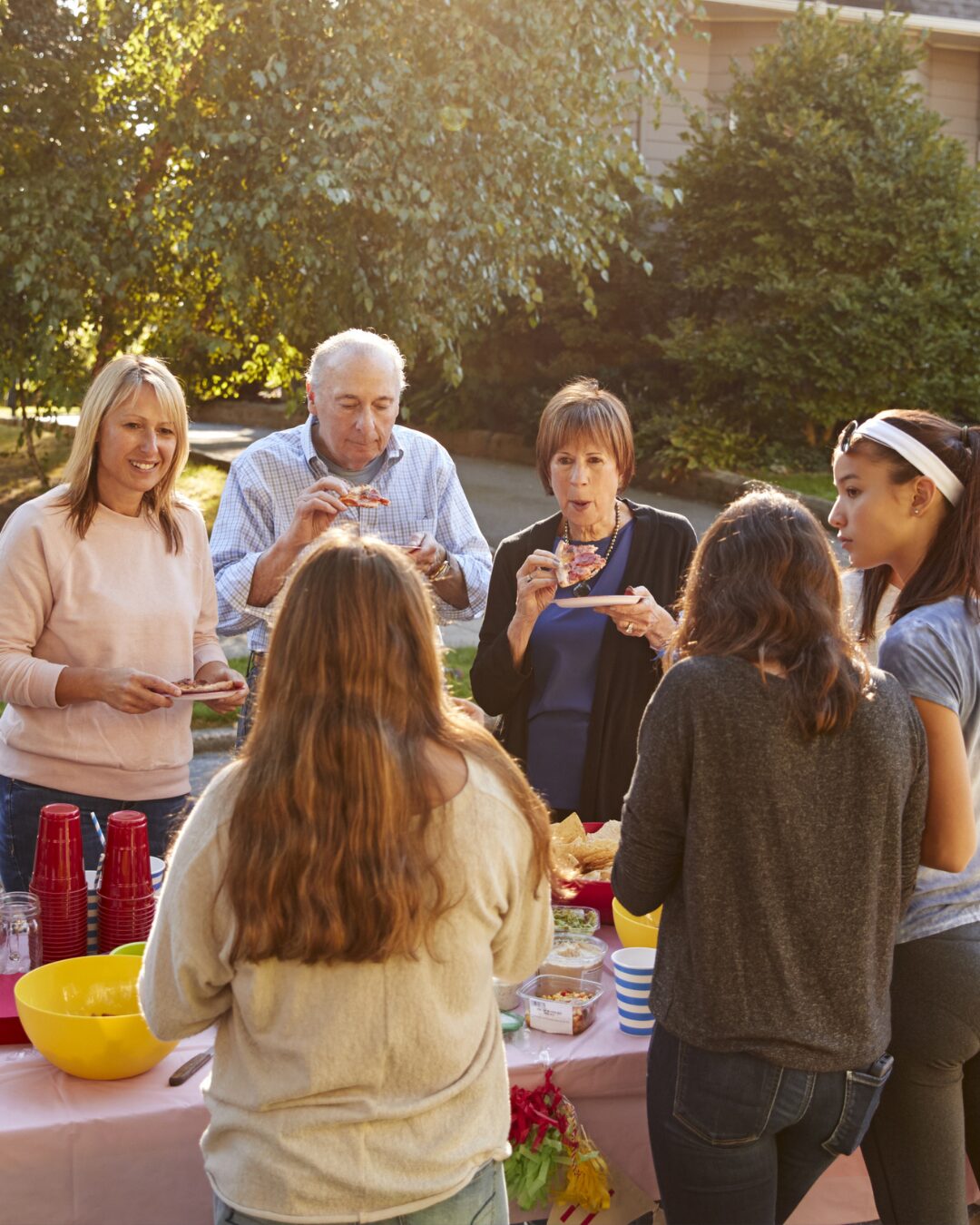
Communities have always played a vital role in how people live, connect and support one another. For generations, neighbourhoods, extended families, faith groups and local networks provided everyday social contact and informal care. Today, however, the structure of communities has changed. Understanding how these shifts affect connection, wellbeing and care is essential as society navigates a growing loneliness epidemic across generations.
In the past, communities were often defined by geography. People lived close to extended family members, neighbours knew each other well and shared spaces such as local shops, schools and community halls created regular opportunities for interaction.
Modern society looks different. People move more frequently for work; families are more geographically dispersed and digital technology has transformed how we communicate. Online communities can be vibrant and supportive, but they do not always replace the value of in-person connection.
Demographic changes have also played a role. People are living longer, often with complex health needs, while families may be balancing work, childcare and other responsibilities across different locations. As a result, older adults are more likely to live alone than in previous generations, and younger generations can also experience isolation despite being digitally connected.
These changes have gradually weakened some of the informal support networks that communities once provided.
The Covid-19 pandemic brought these shifts in communities into focus. Lockdowns and social distancing measures limited physical interaction for extended periods, particularly affecting older adults and those already vulnerable to isolation.
Research across the UK found that loneliness increased significantly during the pandemic, with older people, young adults and individuals living alone among the most affected groups. Community centres, local clubs and informal gatherings were suddenly paused, removing many of the everyday touchpoints that help people feel connected.
At the same time, the pandemic also demonstrated the resilience and importance of community. Mutual aid groups emerged across the country, neighbours organised shopping support for vulnerable residents and digital tools helped people maintain relationships when face-to-face contact was not possible.
In many ways, the pandemic reminded society just how important human connection is to health and wellbeing.
Nowadays communities are more diverse and complex than ever before. They are no longer defined purely by geography but by a mix of physical and digital connections.
These evolving structures present both challenges and opportunities. While traditional neighbourhood connections may be weaker in some areas, there is growing recognition that meaningful social connection must be actively designed into communities.
For example, urban planning increasingly considers shared spaces such as parks, cafés and community hubs. Intergenerational programmes are being introduced in schools, care settings and local organisations to bring younger and older people together. Volunteering and social prescribing are also becoming more common ways for healthcare professionals to help people reconnect with their communities.
Loneliness is now recognised as a major public health issue. Studies have shown that prolonged social isolation can affect both mental and physical health, increasing the risk of conditions such as depression, anxiety and even cardiovascular disease.
However, the growing awareness of this issue is also creating new opportunities to address it. Read more about combatting loneliness in our article on the topic.
Care providers have an important role to play in this evolving landscape. Care homes and healthcare organisations are uniquely positioned to become hubs of community life rather than places separated from it.
Whether you need help with how to choose a care home, would like a quote or have a question, we’re happy to reply to you by email or call you back.
Simply fill in the form and a member of our team will be in touch, or you can call us on the contact number provided below.